

Table of Contents
1. Introduction to the 4×4 tent for family SUV camping
2. Key features to evaluate in a 4×4 tent for families
3. Practical comparisons for family-friendly 4×4 tents
4. 4×4 tent FAQ
5. Conclusion and practical takeaways for choosing a 4×4 tent
Introduction to the 4×4 tent for family SUV camping
Choosing a 4×4 tent for family SUV camping creates a cohesive, weather-ready base on off-road trips. By attaching to an SUV, it preserves living space while keeping cargo and passengers shielded from the elements. These tents typically accommodate four people with a shared living area and convenient vestibules for gear, making setups predictable for weekend getaways or longer adventures.
Why a 4×4 tent is ideal for families
A 4×4 tent integrates with an SUV to keep people and gear together on family trips as a vehicle tent for four people.
Most SUV camping tents sleep four, with a shared living area plus vestibules for gear.
Rugged, off-road ready builds suit wild camps; lighter designs work for car trips.
How this guide uses data to guide choices
We compare space, weight, waterproof ratings, and setup time across top SUV tents.
We map real-world family needs to metrics like durability and wind resistance.
Practical examples show the best four by four tent for family camping.
We highlight a spacious four by four camping tent with room for four.
That data-driven approach clarifies which features matter when evaluating a 4×4 tent for families. It helps you balance space, durability, and setup ease with your trips and climate expectations.
Key features to evaluate in a 4×4 tent for families
Choosing a 4×4 tent for family trips requires more than capacity. The best models combine space for four with practical layouts, rugged construction, and setup systems that keep pace with family life on off-road adventures. When tethered to an SUV or pickup, these tents gain generous vestibules for gear, living space you can actually use after a muddy hike, and reliable protection from unpredictable weather. Use the criteria below to separate off-road SUV camping tents from the rest.
Space and layout for four
Four-person bed plus headroom and vestibule for gear.
A true four-person bed should be full-length for adults, with enough headroom to sit up comfortably. A front or side vestibule becomes the dedicated storage zone for boots, packs, and wet coats, keeping the sleeping area tidy. For families, look for models that offer flexible space, such as a higher ceiling height and a footprint that accommodates a compact air mattress or cot without crowding the entryway.
Layout options like two rooms or a dedicated mudroom improve usability for families.
Two-room configurations or a separate mudroom vestibule make daily routines easier on short trips. Kids can sleep in one area while parents manage gear in a second, reducing nighttime disturbances and improving ventilation during warm nights. A dedicated mudroom keeps off-season gear, footwear, and outdoor gear organized, which matters when you’re traveling with four people and a lot of gear.
Durability and weather resistance
Seam sealing, waterproof ratings, and frame strength matter for unpredictable weather.
Prioritize fully taped seams and a reliable waterproof rating (look for hydrostatic head guidance typical in family tents) to handle sudden rain. A sturdy internal frame with quality joints ensures the tent stands up to gusts without flexing into the living space. If you’re chasing a rugged four by four camping tent, verify that fabric, zippers, and seam intersections are reinforced for long-term use.
Rugged materials withstand off-road winds without compromising safety.
Choose fabrics that resist abrasion and UV exposure, reinforced corners, and robust pole systems (preferably aluminum or high-strength composites). A tent designed for off-road trips should tolerate camping in exposed sites, where wind shifts can occur quickly, while still protecting occupants and gear.
Setup efficiency and portability
Color-coded poles and quick-clip systems speed up setup for beginners.
Modern SUV camping tents often feature color-matched poles, simplified hub systems, and fast-clips that reduce guesswork. With a little practice at home, a family can deploy the tent confidently in under 10 minutes, even after a long drive.
Compact packed size and included carrying bag help with car camping trips.
Packability matters for vehicle strategies. Look for a compact footprint, a durable carry bag, and an included footprint or space-saving organizers. Lightweight four by four tent options for car camping adventures are ideal when you want a quick setup and a small packing profile without sacrificing living space.
This framework supports practical comparisons for family-friendly 4×4 tents, helping you balance space, durability, and setup efficiency as you plan off-road adventures.
Practical comparisons for family-friendly 4×4 tents
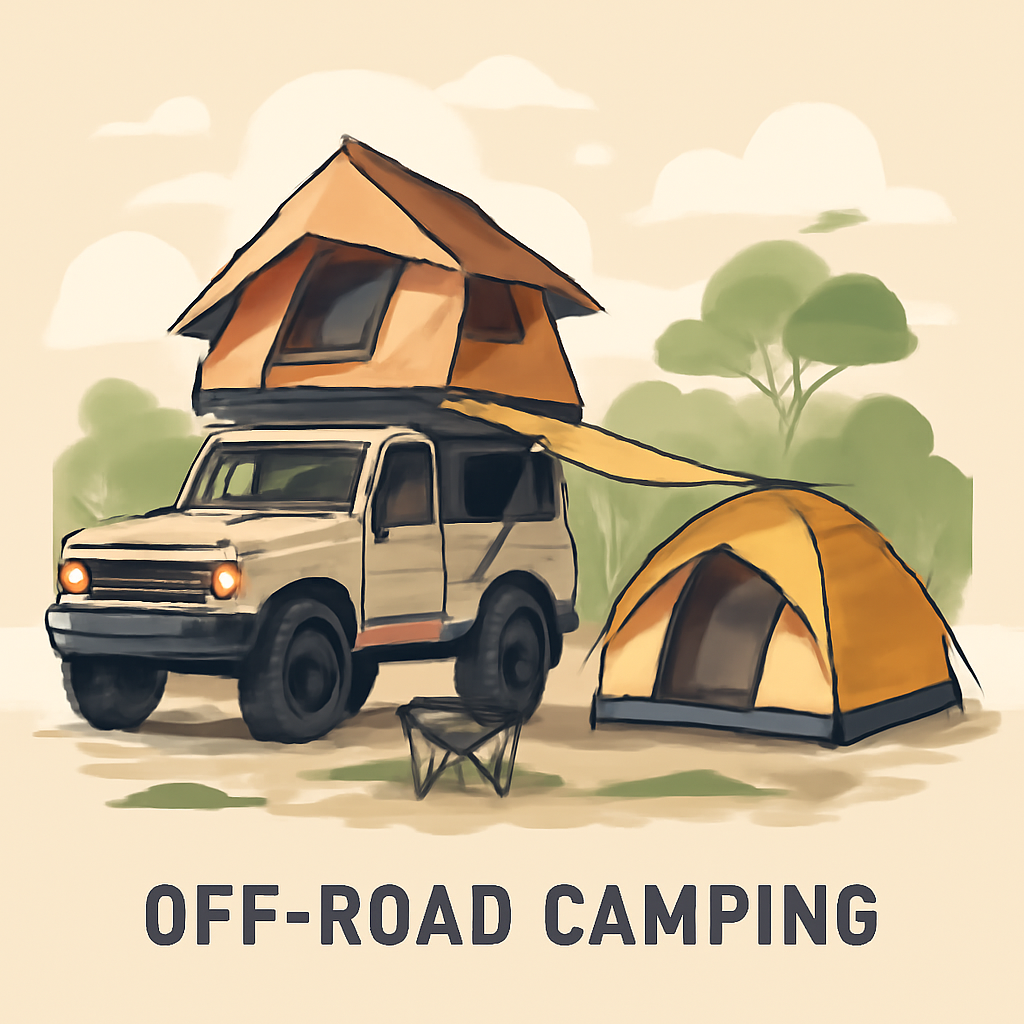
Choosing a 4×4 tent means balancing interior comfort, weather resilience, and setup practicality for a family on the road. For family trips, the best four by four tent for family camping folds in generous interior volume, smart door placement, and family-oriented features like a mudroom or screened porch. When the plan is off-road, look for true waterproof performance and sealed seams. For beginners, a simple, color-coded setup with minimal components cuts setup time dramatically.
Best four by four tent for family camping
Interior and space
- Aim for high interior volume to accommodate four people plus gear. Look for a floor area around 60-70 sq ft and standing height above 5 ft, so kids and adults can move without crouching.
- Dual entry doors on opposite sides reduce traffic bottlenecks and make it easier to run a portable play area or gear storage near sleeping zones.
Access and convenience
- A vestibule or porch area adds a family-friendly staging zone for muddy shoes, backpacks, and wet outerwear. If you’re comparing models, prioritize a separate mudroom or a screened porch to keep the sleeping area clean and comfortable.
Feature snapshot
| Feature | Benefit | Why it matters |
|---|---|---|
| Interior volume (sq ft) | 60-70+ | Room to sit, sleep four with gear, comfortable family trips |
| Door placement | Dual doors | Easy access from either side of the vehicle |
| Mudroom/screened porch | Yes/size varies | Keeps sleep area dry and organized during rain or dirt days |
Waterproof SUV camping tent for off road trips
Waterproofing and seam work
- Verify true waterproof performance with hydrostatic head ratings of at least 1500 mm; higher is better for heavy rain or splash from rough roads.
- Check seam construction: fully taped or welded seams with reinforced floor seams prevent leaks where the tent meets the ground.
Off-road durability and wet conditions
- Designed as an off road camping tent, it should feature sealed seams, durable ripstop fabrics, and robust guy-line anchors to resist wind and road spray.
- Look for vestibules that shield entrances from spray and a rainfly that covers the doorways for practical wet-weather access.
Feature snapshot
| Feature | Benefit | Why it matters |
|---|---|---|
| Hydrostatic head | ≥1500 mm | Keeps you dry in persistent rain and splashes |
| Sealed/welded seams | Leak-free | Reliable protection over many trips |
| Rugged construction | Longer life in rocky, muddy terrains | Suits off-road adventures with less maintenance |
Easy setup four by four vehicle tent for beginners
Setup design and components
- Choose color-coded poles and clips for intuitive assembly; fewer components reduce confusion and time.
- Prefer pre-attached guy lines and simple staking patterns to minimize steps during setup.
Tips for faster, confident setup
- Practice once at home or in the driveway to reduce on-trail anxiety.
- Pack components in labeled bags; keep the rainfly separate but accessible for quick deployment.
Feature snapshot
| Feature | Benefit | Why it matters |
|---|---|---|
| Color-coded poles | Faster, mistake-free setup | Reduces setup time for beginners |
| Pre-attached guy lines | Quick stabilization | Helps you secure the tent quickly in wind |
| Lightweight components | Easier transport | Makes car camping adventures more enjoyable |
This practical approach helps align your choice with the family’s needs, whether prioritizing spacious living areas, waterproof reliability, or beginner-friendly setup. The result is a rugged four by four camping tent that fits four people comfortably, with real-world performance for SUV camping or off-road trips.
4×4 tent FAQ
A 4×4 tent is designed to pair with an SUV or four-wheel-drive vehicle, creating a sheltered sleeping space plus a living area that leverages the vehicle as shelter. It typically includes a vehicle-accessible entry and an integrated footprint or mudroom, making it a practical choice for off-road camping tents and SUV camping tents. For families, it can be the best four by four tent for family camping, offering space and weather protection without sacrificing accessibility.
What is a 4×4 tent?
A tent designed to be used with an SUV or four-wheel-drive vehicle, providing sheltered sleeping and a living area that leverages the vehicle as shelter.
Typically includes a vehicle-accessible entry and an integrated footprint or mudroom.
How do I set up an SUV camping tent for four people?
Follow the manufacturer’s steps, route the poles by color, and stake the guy lines in stable ground.
Use a groundsheet and vestibule to manage weather, and practice at home before a trip.
Which features matter most for off-road use?
Durability and wind resistance of the frame and fabric.
Waterproofing, seam sealing, and redundancy in zippers and stakes.
Conclusion and practical takeaways for choosing a 4×4 tent
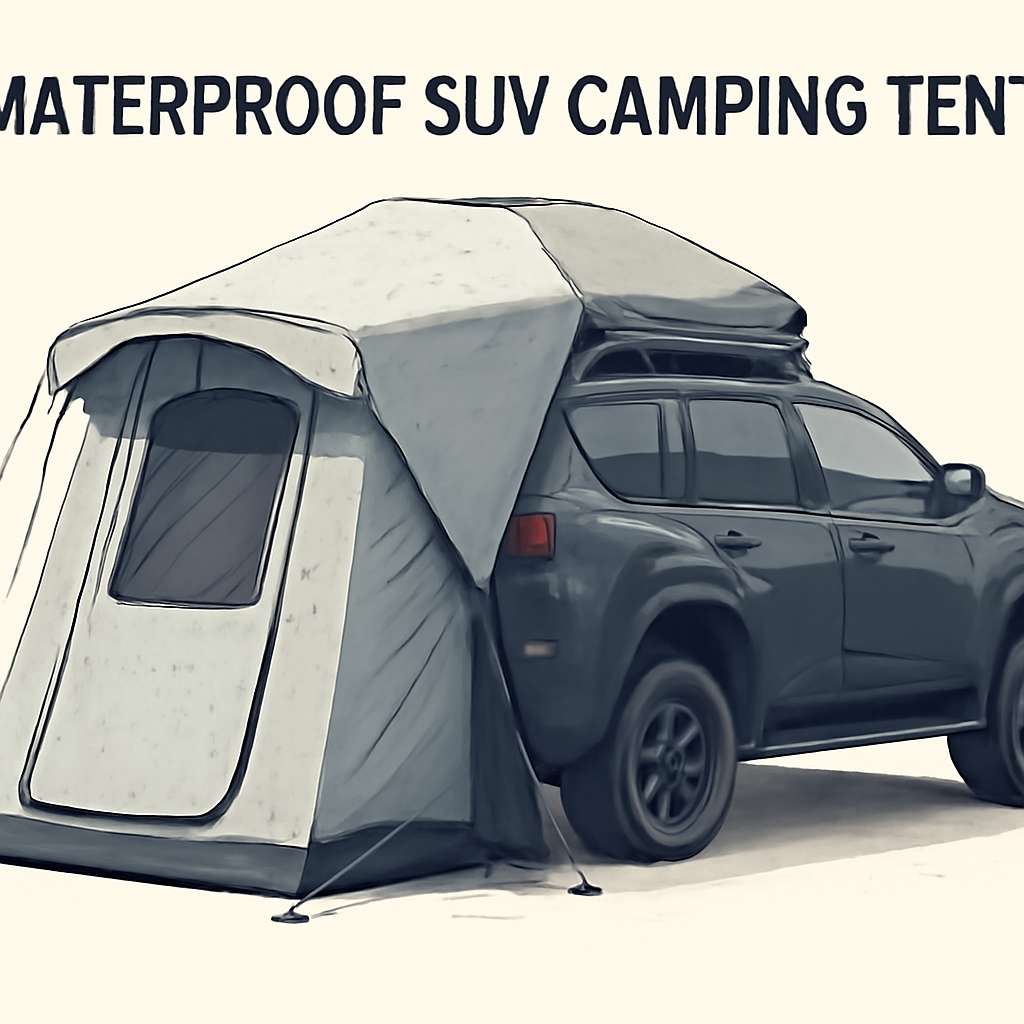
Choosing a 4×4 tent means balancing comfort, protection, and practicality for journeys that blend off-road days with family time. For most SUV camping setups, you’ll want a model that feels spacious for four people, stands up to weather, and can be erected quickly after a long day on rugged trails. The goal is a rugged four by four camping tent that remains easy to handle whether you’re parked on a forest road or near a remote trailhead.
Key takeaways for choosing a 4×4 tent
Prioritize family-friendly space
A spacious four by four tent should offer a floor plan around 9×9 to 10×10 feet for four people plus gear. Look for a peak headroom of 78–84 inches and two vestibules for gear storage. This preserves living area inside while keeping boots, packs, and rain gear accessible outside. A vehicle tent for four people often benefits from interior dividers or separate sleeping zones so kids can sleep earlier without disturbing adults.
Weatherproofing and ventilation
Weatherproofing is non-negotiable. Target a waterproof rating (hydrostatic head) of at least 1500–3000 mm for reliable rain protection on coastal or mountainous trips. Sealed seams, a floor with bathtub edges, and durable floor material prevent water ingress. Mesh panels and strategically placed vents minimize condensation while maintaining airflow on humid nights. A well-ventilated SUV camping tent keeps sleeping areas comfortable after a hot day of driving.
Simple setup to match off-road trips
Choose models with simplified assembly: color-coded or pre-attached poles, fewer component parts, and a straightforward, tool-free setup. In practice, a best four by four tent for family camping should be erectable in under 15 minutes with two people, even after a long day of driving. Look for quick-stake systems and integrated guy lines that secure the tent against gusty air in open sites.
Balance weight and packability with durability for rugged terrain
Aim for a total weight in the mid-teens to mid-20s pounds with a compact pack size. Lightweight materials (ripstop nylon or durable polyester) paired with robust zippers and aluminum poles offer longevity without sacrificing portability. A spacious four-by-four camping tent that’s easy to carry makes off-road trips more enjoyable, rather than a burden.
Final checklist for family SUV camping tents
Confirm SUV compatibility and mounting options
Measure your SUV’s width and tailgate clearance, then verify the tent’s base dimensions and mounting method. Some setups mount to the hitch or roof rails, others anchor to the ground beside the vehicle. Ensure the tent fits your vehicle’s hatch height and that mounting points align with your SUV’s frame.
Test setup at home
Practice erecting the tent in the driveway or garage. Check for smooth pole insertion, seam integrity, and door operation. Confirm you can seal the groundsheet and deploy all guylines before heading to the trail.
Inspect seams, zippers, stakes, and ventilation before leaving
Run a quick seam check and lubricate zippers if needed. Inspect stakes for corrosion and replace any bent anchors. Confirm all vents and mesh panels are in good condition to maintain airflow without inviting insects.
Check warranty and availability of replacement parts for future trips
Review the manufacturer warranty length and the ease of obtaining replacement parts (poles, zippers, footprints). A robust warranty and readily available parts reduce downtime on back-to-back off-road adventures.