
Table of Contents
1. Camping tents: An expert data-backed introduction
2. Tents for different camping styles
3. Key features to compare when shopping for tents
4. Camping tents FAQ
5. Conclusion: data-backed decisions for durable camping tents
Camping tents: An expert data-backed introduction
Camping tents must stand up to wind, rain, and rough use. Durability hinges on fabric and coatings that resist moisture, seams that stay watertight, and the overall quality of every component. Zippers, poles, stakes, and guylines also determine real-world reliability. When evaluating models—from backpacking tents to family tents—you want data-driven cues rather than marketing talk. This framework helps you pick gear that remains serviceable across three-season use and varied environments, whether you’re pursuing the lightest option for hike-in trips or a dome tent for weekend car camping.
What defines durability in camping tents
Fabric and coatings
Look for nylon or polyester fabric with a durable water repellent (DWR) finish and a robust hydrostatic head rating; thicker fabrics reduce wear but add weight, so balance with use-case.
Seam construction
Seek fully taped seams on rainfly and floor, with welded or heat-taped seams where possible, and consider seam-sealing as routine maintenance.
Component quality
Aluminum poles beat fiberglass for stiffness and longevity; quality stakes and guylines prevent early failure; check UV stability and compatibility with tent corners.
Zippers, poles, stakes, and guylines
Prioritize YKK zippers, smooth sliders, reinforced zipper tapes, and ample guylines for wind; ensure pole pockets and clips hold even in freezing temps.
This approach helps tailor Tents for different camping styles—backpacking, family trips, or car camping.
How data informs tent selection
Field tests track waterproofing, wind resistance, and wear-out failures across models
Independent reviews, brand warranties, and transparent specs help separate hype from performance
Data-backed picks span use cases: best lightweight camping tents for three-season use, family camping tents with multiple rooms, waterproof backpacking tents for hikers, easy setup camping tents for beginners, compact tents for car camping trips
Tents for different camping styles
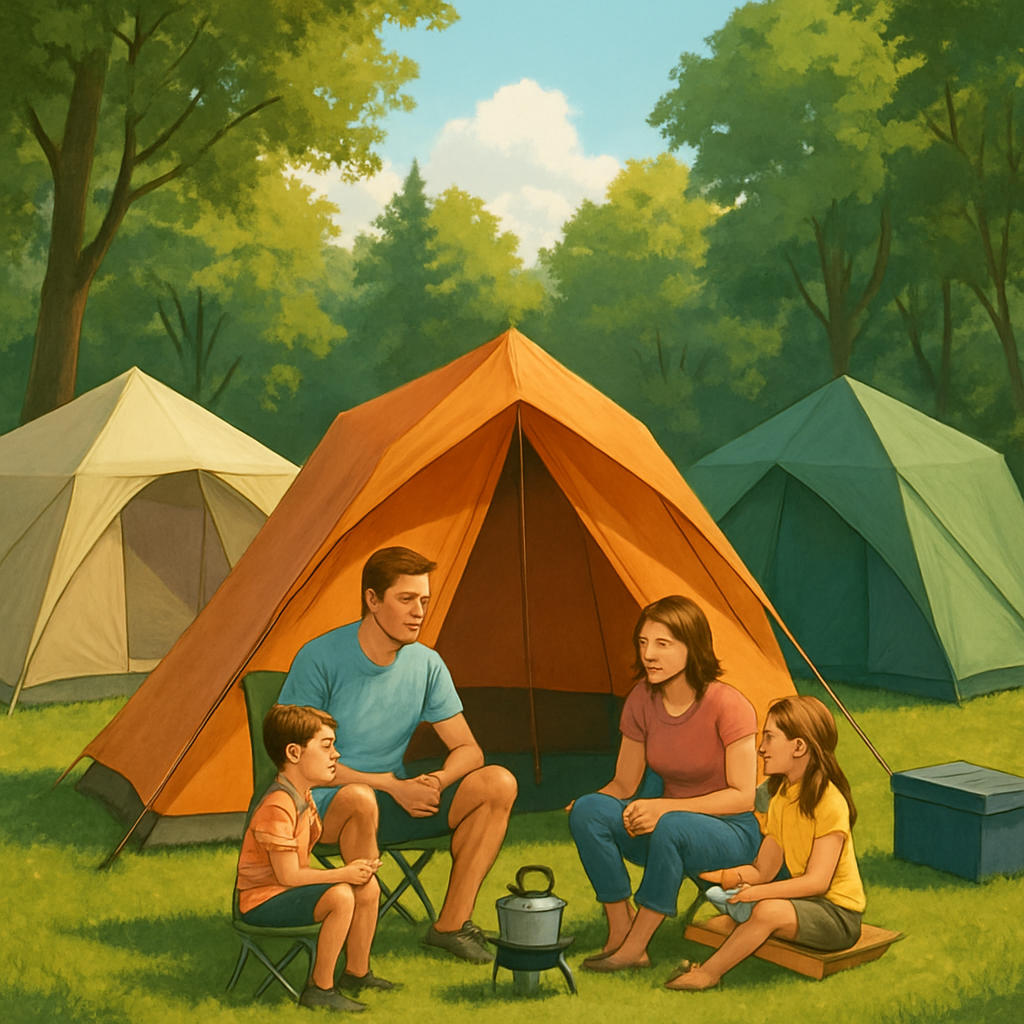
Choosing the right tent starts with your camping style. Whether you’re chasing weight savings for backcountry trips or maximizing space for a family car-camping weekend, different designs deliver distinct benefits. The following outlines three common approaches and how to pick them for dependable shelter, weather protection, and easy setup.
Backpacking tents for three-season use
Aim for lightweight designs that balance shelter, packability, and durability (best lightweight camping tents for three season use)
For three-season adventures, seek a shelter that blends low weight with solid protection. Target 2-4 pounds for a solo setup, 3-6 pounds for two-person models, and 6-10 pounds for small three-person configurations. Look for aluminum or high-strength composite poles, and fabric around 20-40D nylon or polyester with silicone/PU coatings and taped seams. A compact roll-pack size (roughly 6-12 inches) and a robust stake system help you move fast between camps.
Three-season capability supports spring, summer, and autumn adventures with adequate ventilation and weather protection
Ventilation is critical to reduce condensation in humid nights. Prioritize models with two doors, mesh panels, and a breathable rainfly that still seals out rain. Verify rainfly coverage extends well beyond the tent body and that the floor has a reliable waterproof barrier (often 1500–3000 mm hydrostatic head). Quick-pitch options and multiple guy-lines improve stability in gusty spring showers or autumn winds, keeping your sleep dry and comfortable.
Family tents with multiple rooms
Room partitions and multiple doors improve privacy and access, Vestibules and gear storage help families stay organized during car camping trips
Family tents with internal dividers create separate sleeping zones and a living area, boosting privacy for kids and adults alike. Two or more entry doors provide easy egress without disturbing others, while vestibules on one or both sides offer dry storage for muddy boots, bikes, or packs. Built-in gear lofts and internal pockets help families keep essentials within reach during longer car camping trips.
These setups support growing families and longer trips; look for floor plans that maximize usable space without overloading the tent package
Aim for floor areas that accommodate air mattresses or cots, plus furniture-like living space. For car camping, bigger footprints are acceptable, but choose models with robust waterproofing, sturdy seams, and reliable zippers to handle frequent setup and breakdown across seasons.
Dome tents: versatile and common
Simple, quick setup with curved pole geometry improves stability
Dome tents rely on curved pole geometry for fast pitching and strong wind resistance. The simple frame reduces setup time to minutes, making them ideal for beginners or quick-change weather. Three-season dome tents strike a balance between weight, headroom, and weather protection, letting you switch between alpine mornings and forest evenings with ease.
Space-efficient layouts suit families and groups without sacrificing ease of use
Dome layouts maximize interior space without complexity. Compact two- to four-person domes fit in car trunks or small backpacks, while larger family domes offer multiple vestibules and generous headroom. The result is easy setup, straightforward maintenance, and dependable waterproof performance across varied conditions.
When shopping, focus on weight, room layout, door and vestibule counts, ventilation, and weatherproofing to match your camping style. Key features to compare when shopping for tents will guide your choice.
Key features to compare when shopping for tents
Choosing the right camping tents means weighing waterproof performance, ease of setup, and how size and weight align with your trip type. Whether you’re shopping for lightweight camping tents for three-season use, a family tent with multiple rooms, or compact tents for car camping trips, the following criteria help you predict real-world performance and comfort.
Waterproof performance and seam technology in waterproof tents
Hydrostatic head ratings
Hydrostatic head (HH) measures how much water pressure a tent fabric can withstand before leaking. For three-season and waterproof tents, aim for a minimum of 1,500–2,000 mm for basic rain protection, with 3,000–5,000 mm favored for heavier downpours or harsher climates. Higher HH usually means the fly and floor resist longer bouts of heavy rain, but always pair with reliable seam construction.
Floor materials
Floor fabric varieties influence durability and water resistance. Look for a floor with a waterproof coating on nylon or polyester, often in the 40–70 denier range. A robust floor with a higher denier and a built-in bathtub seam helps keep ground moisture out, while lighter floors save weight in backpacking tents.
Taped seams and seam technology
Full-coverage seam tape on the fly and floor is a must, ideally complemented by heat-welded or fused seams. Tape and welded seams reduce the number of leakage points around penetrations, zippers, and corners, and they’re a better indicator of long-term waterproofing than DWR alone.
Testing under simulated rain
Lab-tested tents typically undergo simulated rain to assess leakage, zipper sealing, and flap performance under heavy downpours. Real-world hint: read field reports about how tents perform after hours of rain—consistent performance across multiple test conditions signals durable waterproofing.
Ease of setup: beginner-friendly designs
Color-coded poles
Color-coded poles and corresponding grommets speed assembly and reduce mistakes, especially for first-time campers. This is a hallmark of beginner-friendly models and helps maintain proper pole alignment.
Pre-attached clips
Pre-attached or integrated clips eliminate fumbling with separate clips during setup, cutting pitch time and misalignment risks. Expect a quicker, more forgiving build process.
Quick-clip systems and color-matched connectors
Quick-clip systems and clear color-matched connectors streamline the sequence: stake out, clip in, tension, and you’re ready. These systems reduce setup time from several minutes to just a few minutes for many two- and three-person tents.
Intuitive stakeouts
Well-placed stakeouts and minimal-twitch guy-lines make symmetric pitching and tensioning simpler, even in windy conditions. For beginners, this translates to fewer re-pitches and more time enjoying the site.
Size, weight, and portability for different trips (compact tents for car camping trips)
Packed size
Packable tents should fit your vehicle’s trunk or hatch comfortably. Favor compact packed dimensions for quick reloads between campsite stops, road trips, or weekend runs.
Listed trail weight
Trail weight reflects the tent body, poles, and fly. It guides backpacking decisions, but it also signals how much gear you’re carrying on a car-camping trip when you want to stay lean with the pack.
Interior volume
Interior space matters for comfort and gear storage. Family tents with multiple rooms require more floor area and higher headroom, while compact dome tents offer leaner interiors suitable for two to three occupants plus packs.
Balance guidance
Match packed size, trail weight, and interior space to your vehicle and comfort needs. A well-balanced choice minimizes bulk without sacrificing roominess, ensuring reliable performance for camping tents on weekend trips or longer family outings.
Camping tents FAQ
The right shelter boosts comfort and weather protection. Use these answers to compare backpacking tents and family tents.
What is the difference between backpacking tents and family tents?
Backpacking tents are lightweight and compact, with fast setup and lean interiors. They prioritize pack size over interior space. Family tents are larger, often with separate rooms and more vestibules, built for car camping and longer stays, at the expense of weight.
Quick setup tips
- Choose dome designs for quick pitching.
- Use color-coded poles and clips to reduce setup time.
- For families, prioritize separate rooms and vestibules.
How can you verify a tent will keep you dry in heavy rain?
To stay dry, check hydrostatic head, taped seams, and a full-coverage rainfly. Waterproof tents rely on sealed seams and robust rainflies. Ensure the floor uses a bathtub design and that zippers have storm flaps. Look for taped seams on all major joints.
Quick checks
- Target 2000–3000 mm rating for 3-season use; higher for frequent downpours.
- Ensure rainfly extends well past walls and covers the doors.
- Test at home by spraying with a gentle shower to spot leaks.
What should beginners know when choosing a tent?
Beginners should start with a 3-season, easy-setup dome or simple family tent that fits your sleeping pads. This guidance applies to typical camping tents. Consider weight for backpacking or space for car camping. Check warranty, floor dimensions, and overall weather resistance.
Quick checks
- Practice setup at home before trips.
- Measure floor length and width to fit sleeping mats.
- Select a model with durable seams and straightforward assembly.
data-backed decisions for durable camping tents
Durability starts with data you can trust. By weighing weight, space, and weather resistance across styles—from dome tents to family tents with multiple rooms—you make smarter, longer-lasting choices. Real-world performance hinges on objective specs, not hype about features.
Key takeaways for every camping style
Objective metrics to compare tents
- Build a quick spec sheet: weight (packed), floor area, peak height, number of vestibules, hydrostatic head (HH) rating for rain resistance, and pole material.
- Typical ranges you’ll see:
| Item | Backpacking tents (2P) | Family tents (4P) |
|---|---|---|
| Weight (packed) | 3.5–4.5 lb | 12–20 lb |
| Floor area | 28–40 sq ft | 60–90 sq ft |
| HH rating | 1500–3000 mm | 3000–5000 mm |
| Poles | Aluminum | Aluminum or fiberglass |
| Setup | Often freestanding | Freestanding with room dividers |
- Use these as a baseline to eliminate underperformers early.
Balance weight, space, and waterproofing to fit your planned trips
- For three-season use, target lightweight two-person setups under 4.5 lb and 28–40 sq ft of floor space. For family trips, plan 60–90 sq ft of usable area and HH ratings around 3000–5000 mm.
- If you pack light for weekends, prioritize compact, easy-setup tents with solid seam sealing. If you car-camp or basecamp, space and dividers in family tents become worth the extra weight.
- A dome tent often offers the best wind stability and quick setup, while waterproof tents with fully-taped seams stay drier in heavy rain. Use this to decide when weather is a concern.
Quick-start reading of specs
- Read the full spec sheet first, then verify in person: is there enough headroom for seating, are there two usable vestibules, and are seams and zippers sealed for wet weather?
- Prioritize real-world test results and warranty terms as part of your durability assessment.
Next steps for matching tents to your adventures
Leverage long-tail targets to narrow your search
- Start with: best lightweight camping tents for three season use, waterproof backpacking tents for hikers, easy setup camping tents for beginners, and compact tents for car camping trips.
- Use these phrases to curate a focused shortlist and compare similar models side by side.
Build the decision plan
- Define your primary camping style (backpacking, family car camping, or weekend dome camping).
- Compile a 4–6 model shortlist using the long-tail targets, then compare weight, space, and HH ratings.
Validate and test
- Check warranty, material durability, and seam construction.
- Set up each tent at home, inspect zippers and poles, and pack it to gauge real-world ease of use.